What Does It Cost To Build A Home On Raw Land? Nevada Agent Reveals Hidden Costs
By Jeannette Draper, REALTOR® ·
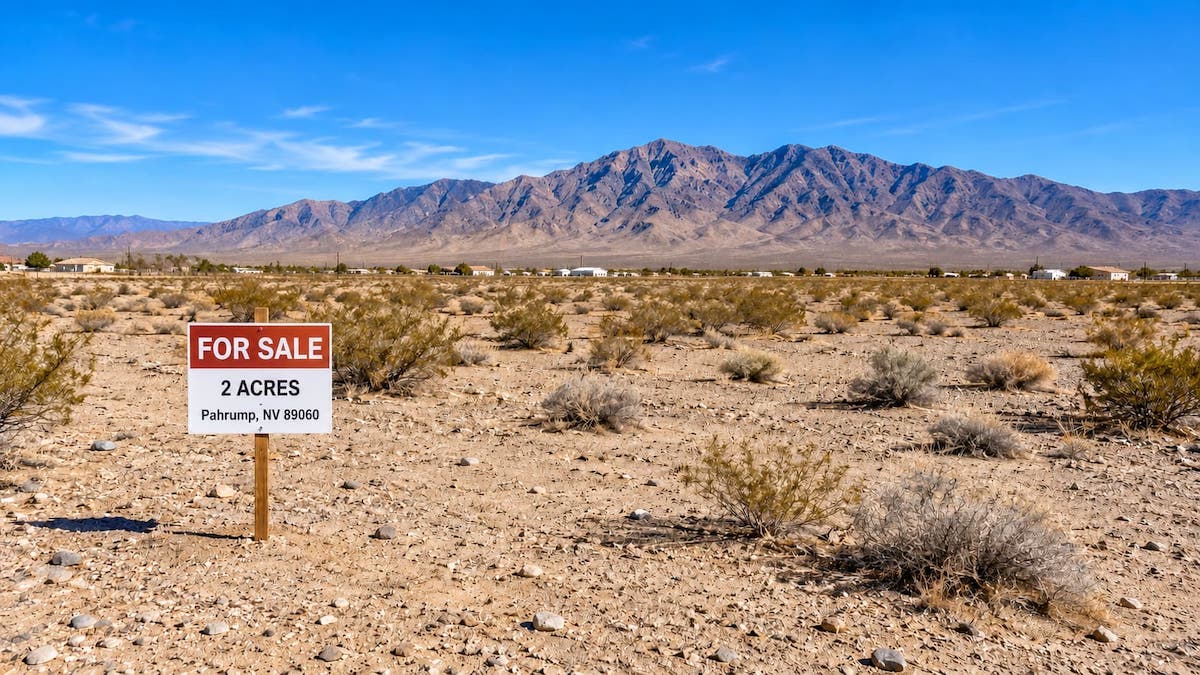
That $27,500 lot looks like a steal until buyers factor in wells, septic systems, power lines, and county fees that most never see coming. One common soil condition alone can turn a $3,500 septic install into a $50,000 nightmare.
Key Takeaways:
- A lot listed at $27,500 in a Nevada community can easily require $75,000-$100,000+ in additional costs before a single wall goes up.
- Water, septic, and power are the three biggest cost unknowns - none of them are guaranteed just because a lot is listed as buildable.
- Some counties charge a drainage impact fee and a school construction tax per new dwelling - fees that will not appear on any listing.
- Zoning district and legal access can quietly kill a build plan entirely; always verify both before making an offer.
- Working with a realtor familiar with raw land sales can help flag these issues before they become expensive surprises.
That $27,500 Lot Could Cost $100,000+ Before You Break Ground
Raw land looks like a deal on paper. Vacant parcels in the growing community of Pahrump have traded at a median sold price around $27,500 - and with wide-open desert views just under an hour from Las Vegas, the appeal is easy to understand. But that number only tells a fraction of the story.
Before a foundation is poured, a raw lot in a rural Nevada valley typically needs a well, a septic system, power service, site grading, a driveway, and a stack of permits and county fees. Add it all up, and the real cost of getting a lot build-ready routinely runs $75,000 to well over $100,000 - on top of the land price. The gap between a $27,500 lot and a finished home is not profit margin. It is infrastructure.
Jeannette Draper, Realtor with Draper Dream Team at Top Dog Real Estate works with buyers interested in undeveloped land purchases and consistently identifies these hidden costs as the number one surprise for first-time raw land buyers. The sections below break down exactly where that money goes by exploring what it really costs to turn raw and into a home in just one growing Nevada town, Pahrump.
Case Study: Why Pahrump Land Looks So Affordable
More Parcels Than Homes
Pahrump has more vacant land listings than homes for sale - a rare inventory profile driven by speculative subdivisions planned in the 1960s and 1970s that were sold nationwide and never built on. Thousands of those original paper lots are still trading as raw land today. That oversupply keeps prices low and gives buyers real leverage. It also means many of those parcels have never had utilities run to them.
The Gap Between Lot Price and Move-In Cost
The difference between a $27,500 median lot price and the cost of a finished home tells the whole story in one comparison. That gap represents water, septic, power, construction, permits, and site prep - the full cost of turning dirt into a livable home. Buying land is cheap. Making land buildable is where the real budget lives.
Water: The Biggest Unknown Cost
Complete Private Well System Costs
Most rural Pahrump parcels have no municipal water service. That means a private well - and private wells are not cheap. A complete well installation typically runs $15,000 to $35,000+, covering drilling ($3,000-$9,000 alone depending on depth), well casing, pump, pressure tank, and hookup. Depth is the variable that no one can guarantee in advance; some areas of the valley require drilling deeper, pushing costs toward the higher end fast.
Septic and Perc Tests: Where Cheap Land Gets Expensive
No municipal sewer means a septic system, and before a septic permit is issued, a percolation test is required. The test - which costs $250-$2,000 - measures how quickly soil absorbs water. It sounds routine, but Pahrump has a common problem: caliche, the cement-hard calcium carbonate layer found throughout the valley. Caliche can slow absorption dramatically, forcing a more expensive system.
A conventional septic system runs $3,500-$8,500. An alternative system needed due to poor perc results costs $4,000-$15,000. An engineered system - required when caliche or soil conditions are severe - can run $15,000 to $50,000+. Parts of the valley also fall inside a nitrogen-management area where regulators require advanced treatment systems on some parcels, adding cost before anyone breaks ground. A failed perc test is one of the most common ways a cheap lot turns into a bad investment.
Well and septic combined: budget $20,000-$70,000+ depending on conditions. These are not optional - they are the baseline for rural life.
Power: Grid Extension or Go Off-Grid
VEA Grid Extension: What Buyers Should Verify
Pahrump electricity comes from Valley Electric Association (VEA), a member-owned cooperative serving the Pahrump Valley and surrounding region. If VEA power already runs along a parcel's frontage, connecting is relatively straightforward. If it does not - which is common on remote or outlying lots - extending the line can cost significantly more, driven by distance from the nearest pole, terrain, and whether new poles need to be installed. On some remote parcels, the power extension alone costs more than the land itself.
Off-Grid Solar as a Viable Alternative
With 300+ sunny days per year, off-grid solar is a legitimate financial decision in Pahrump. A full-home off-grid solar and battery storage system can run well into the tens of thousands of dollars installed. On a parcel where the nearest VEA pole is a quarter-mile away, solar can easily pencil out cheaper than a grid extension. The right answer depends entirely on distance to existing lines - which is why this needs to be verified before making an offer, not after closing.
Fees and Permits NOT on the Listing
County Impact Fees Per Dwelling
Some counties charge impact fees per new residential dwelling unit, collected at the permit stage. Potentially reaching thousands of dollars, these impact fees cover drainage, flood control, and related infrastructure. These fees are not optional and will not appear on any MLS listing - many first-time buyers have no idea they exist until they are already under contract.
Permit Costs Stack Up Quickly
On top of impact fees, general construction permits and separate permits for electrical, well, and septic work add further cost. Total permit and fee obligations for a new build in Pahrump can add $10,000 or more to a build budget before the first load of lumber arrives.
Site Prep: Grading, Clearing, and Driveways Add Up
Desert land looks flat and simple - until it is time to build on it. Clearing a building site typically costs $2,000-$6,000 for a standard residential lot, though larger or more overgrown parcels can run higher. Grading and leveling a sloped or uneven parcel adds $1,500-$4,000 minimum. Very few raw parcels are truly ready to build without some earthwork.
Driveways are a line item buyers frequently overlook. On a larger or more remote parcel, the distance from the road to a building site - and that cost - grows quickly and can add several thousand dollars to the budget.
Zoning and Access Can Kill a Deal Entirely
County Zoning Districts
The zoning district on a parcel controls minimum lot size, setbacks, permitted uses, and whether livestock or accessory buildings are allowed. Buyers should verify the exact zoning designation before making an offer, as requirements vary by district. Buying a parcel without confirming its zoning district is one of the most expensive mistakes in this market - a parcel zoned for a large minimum acreage that does not meet that threshold cannot legally support a residence at all.
Legal Access vs. a Dirt Road
A visible dirt road leading to a parcel is not the same as legal access. Some lots are effectively landlocked - no recorded easement, no public road frontage, no legal right to cross neighboring land. A landlocked parcel is often uninsurable and unlendable, which quietly destroys its value regardless of the per-acre price. Always confirm a recorded easement or public-road frontage through the title commitment and Nye County Assessor parcel map before removing contingencies.
Due Diligence Checklist Before You Make an Offer
Before writing an offer on any raw parcel, Jeannette Draper, Realtor, advises buyers to work through these non-negotiables:
- Zoning confirmation - Verify the district, setbacks, and permitted uses with Nye County PRPD
- Legal access - Confirm a recorded easement or public road frontage; do not rely on a visible dirt path
- Power distance - Ask how far the nearest VEA pole is and get a ballpark extension quote
- Water plan - Confirm whether community water reaches the parcel; if not, check neighboring well logs for depth and yield
- Septic feasibility - Check if the parcel is in a nitrogen-management area; budget for alternative or engineered systems if caliche is likely
- Drainage and washes - Identify any wash channels or low spots that could limit the buildable area
- Boundaries and encroachments - Know exactly where the lot lines are, not approximately
- Offer protections - Include a due diligence window in the contract and do not waive contingencies until utilities and access are verified
Verify Before You Buy - Or Pay the Price Later
The true cost of building on raw land is not hidden on purpose - it is scattered across well drillers, septic engineers, county fee schedules, VEA service maps, and zoning ordinances that most buyers never think to check. A competitively priced lot is a real opportunity, but it's only a good deal when water, power, septic, access, and permit costs are factored in from day one - not discovered after the offer is signed.
Looking at Raw Land in Pahrump?
Call Jeannette with the APN or listing address before you make an offer. Draper Dream Team can help you identify the land-specific questions to take to Nye County, the water district, the utility provider, title, and other professionals while there is still time to use the answers.
Jeannette Draper, REALTOR® — NV Lic. # S.0183954
Draper Dream Team at Top Dog Real Estate
1210 E Basin Ave #6, Pahrump, NV 89060
Office: (775) 382-8300 · Mobile: (405) 834-4255
hello@draperdreamteam.com
Joana Wilson, REALTOR® (Se habla español) — NV Lic. # S.0198833
Phone: (702) 542-1107
Questions Buyers Ask About Building on Raw Land in Pahrump
How can I tell if a Pahrump lot is actually buildable before I buy it?
Start with the parcel itself, not the listing description. Confirm the zoning and permitted use with Nye County Planning, then verify legal access, utility availability, the water plan, septic feasibility, drainage, and boundaries. A parcel being offered for sale does not by itself confirm that your specific home plan can be built there.
Can I automatically drill a private well on vacant land in Pahrump?
No. New domestic wells in the Pahrump Basin are subject to Nevada water rules, and the water-rights status can vary by parcel. Some lots may already have the required water rights dedicated or relinquished. Check the APN with the Nye County Water District and Nevada Division of Water Resources before treating a new well as available.
How do I find out whether power, water, or sewer service is really available at the parcel?
Ask the utility provider that serves the specific location. Nye County directs property owners to the utility company with jurisdiction for information about water, gas, power, television, and sewer lines. A nearby pole, pipe, or neighboring connection does not tell you the cost or whether service can be extended to your lot.
Does a dirt road to the property mean I have legal access?
Not necessarily. Physical access and legal access are different questions. Review the title work and recorded documents for public frontage, easements, road dedications, or other rights that establish access. Nye County land-development guidance also distinguishes legal and physical access, so this is something to verify before removing a land contingency.
Ask Jeannette About a Pahrump Land Parcel →
Se Habla Español — Call Joana →
Filed under: Our Blog · Pahrump Real Estate Guides · August 2026
Read next: Where Are the Higher-End Homes in Pahrump? Mountain Falls, Artesia, Calvada & Acreage Estates →